-
Immediate download of 9-track album in your choice of high-quality MP3, FLAC, or just about any other format you could possibly desire.
-
Fruitful Life on CD, with liner notes and photos!
Includes immediate download of 9-track album in your choice of high-quality MP3, FLAC, or just about any other format you could possibly desire.
-
|
1. |
|
|
|
|
|
|
2. |
|
|
|
|
|
|
3. |
|
|
|
|
|
|
4. |
|
|
|
|
|
|
5. |
|
|
|
|
|
|
6. |
|
|
|
|
|
|
7. |
|
|
|
|
|
|
8. |
|
|
|
|
|
|
9. |
|
|
|
|
|
about
The title Fruitful Life came from something that Will Cullen Hart, one of my biggest inspirations, wrote on an autograph to me. I set out to make the album in that spirit – creating and being fruitful. I’d like to thank all of the friends, family, and fellow musicians who helped out and gave their support.
Loving Things:
I started this song as a sort of hymn to creating things, with much simpler lyrics, but it ended up with elements from the Tao and other things I was reading at the time. Musically, I wanted a dreamy sound, and the church organ really works with that.
Athens, Jamais Vu:
This song is about a panic attack I had in Athens, Georgia, quite a few years ago. The experience, combined with the city itself, had a profound effect on me, which culminated in this song. This marks the first time I've worked with someone else on a recording; fellow Savannahian musician Anna Chandler contributed a haunting and wonderful vocal track.
McCauley Park:
I originally recorded this as an hour song, which is, you guessed it, a song written and recorded in an hour, but I liked it enough to keep working on it. The end result wasn’t radically different, but it’s a bit more polished, keeping the kalimba and ukulele. Lyrically, it’s quite simple; it’s about the summer in which it was written, when my friends and I would often roam around the neighborhood, chanting and making a general ruckus.
Krazy 8:
I often get a rush of ideas very late at night and wake up hating them. This song is one such idea, only I later ended up liking quite a bit. It’s about an episode of Breaking Bad (undoubtedly the most brilliant show I’ve ever seen) in which Walt keeps captive and ultimately kills a drug dealer, Krazy 8, and deals with the moral consequences. Also, the David Foster Wallace quote is entirely intentional.
Furey:
This song is based on “The Dead,” a truly amazing short story by James Joyce, in which the main character, Gabriel, has an epiphany when he realizes his distance from his wife. I love all of Joyce’s works that I’ve read, but this one has a particular starkness that really resonated with me. The piano at the beginning of this song plays the melody of the bridge of an earlier song, Athens, Jamais Vu.
Monastic Love Song:
I go through periods in which I believe rather heavily in asceticism, and this song is the product of that, just the idea of withdrawing to a monastery. I owe a particular debt to Van Dyke Parks, one of the big influences of this album, on these lyrics, as it’s the first song where I’ve experimented with wordplay. I originally wrote this on the piano, but I preferred the autoharp, envisioning something in the vein of 60s pop, with a kind of carnival vibe as well.
At the Tabernacle:
I’ve always had a preoccupation with religion, the distinctly southern idea of religion, the kind found in Faulkner’s and O’Connor’s characters, in dilapidated churches full of intense belief. This song is a sort of prelude to the next.
Holy Spirit Jive:
I’ve wanted to do a song like this for a long time, a sort of freak-out, the hell-vision alluded to a few songs ago. It’s mostly a depiction of intense, nearly supernatural fear, with the Dante and Gita references as well as more personal symbols of the valley of death and bomb under the water. The preaching section had a direct influence of enraptured sort of preaching I’ve seen. Musically, I was thinking of Charles Mingus, particularly his extraordinary record The Black Saint and the Sinner Lady.
For Gail Hightower:
I based this song on Faulkner’s Light in August, specifically on Gail Hightower, a preacher who is haunted and trapped by the history of the south. I felt that it was a good end not only to the religious side of the album, with Hightower’s disillusionment, but it also creates a sort of cycle to the album, going back to the initial organ chords.
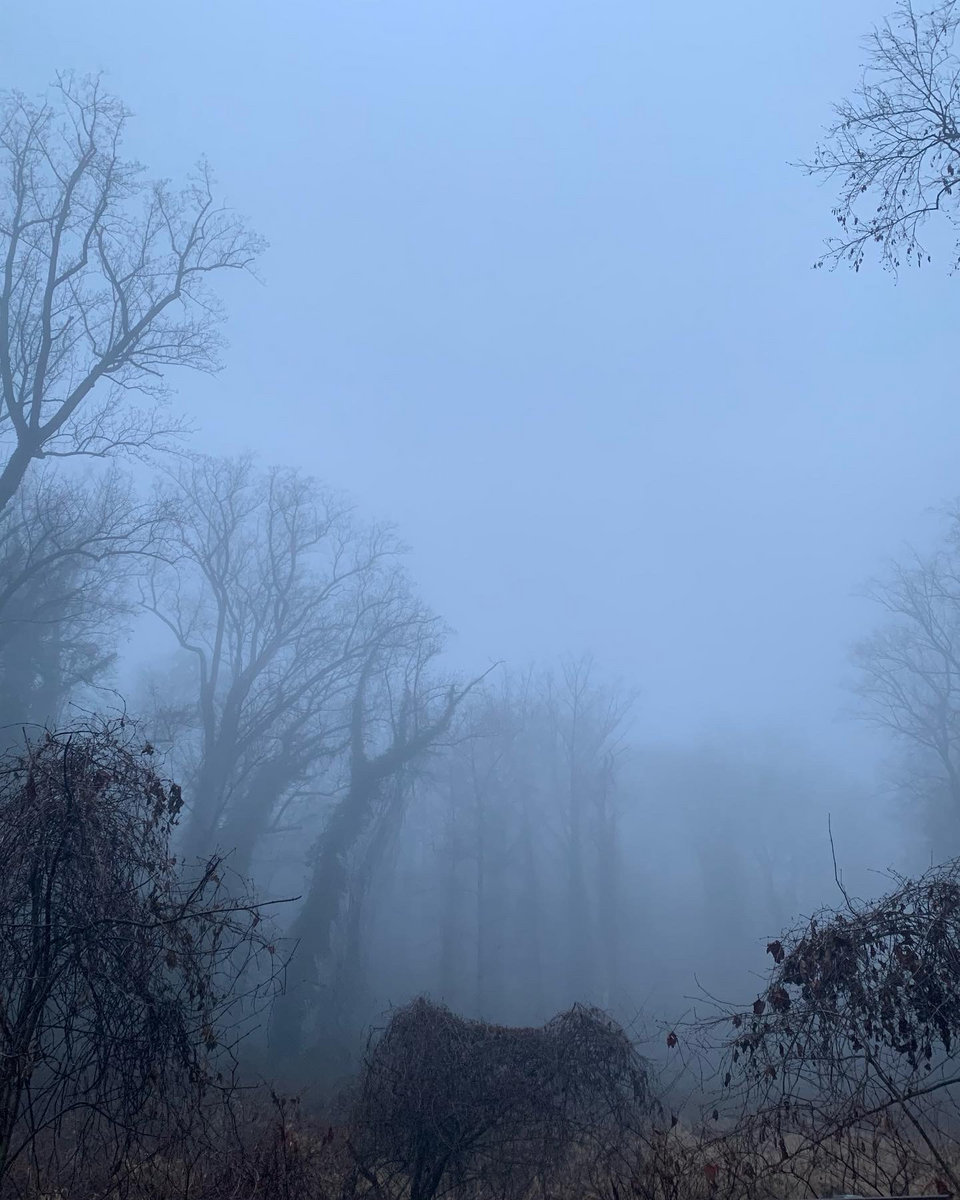
Cover photo by Anslee Wolfe
Copyright 2012 Jamison Murphy
Recorded from June 2011-April 2012
credits
released 04 May 2012
license
all rights reserved
feeds

feeds for ,